Selected work / 2003
Sleep Across America
How the King of Sleep turned an improbable idea into a coast-to-coast expedition.
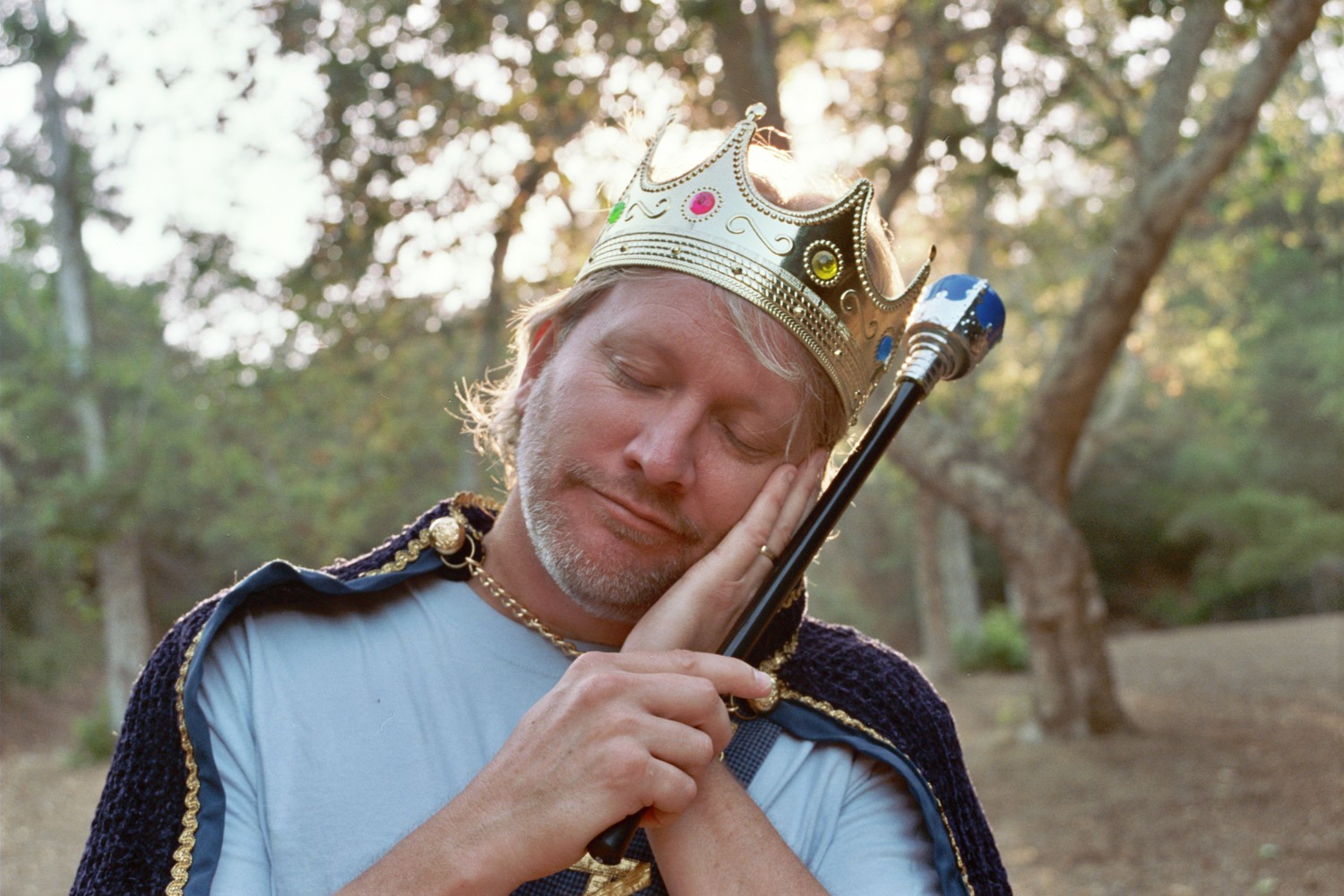
From a pipe dream to a road trip
In 2003, filmmaker TomPaul Wilson set out to cross the United States under an unusual restriction: his motorhome could make progress toward New York only while he was asleep. The journey combined a publicity campaign about sleep disorders with an experiment in documentary filmmaking.
The idea came during a lull in his creative work. Wilson recalls learning about a man who had crossed the country on a lawnmower and wondering whether his own talent for sleeping could become the basis of an equally unlikely undertaking. When he described his plan to Tom Klassen, his Nebraska cousin whom he regards as a brother, Klassen dismissed it as a pipe dream. The remark made Wilson more determined to carry it out.
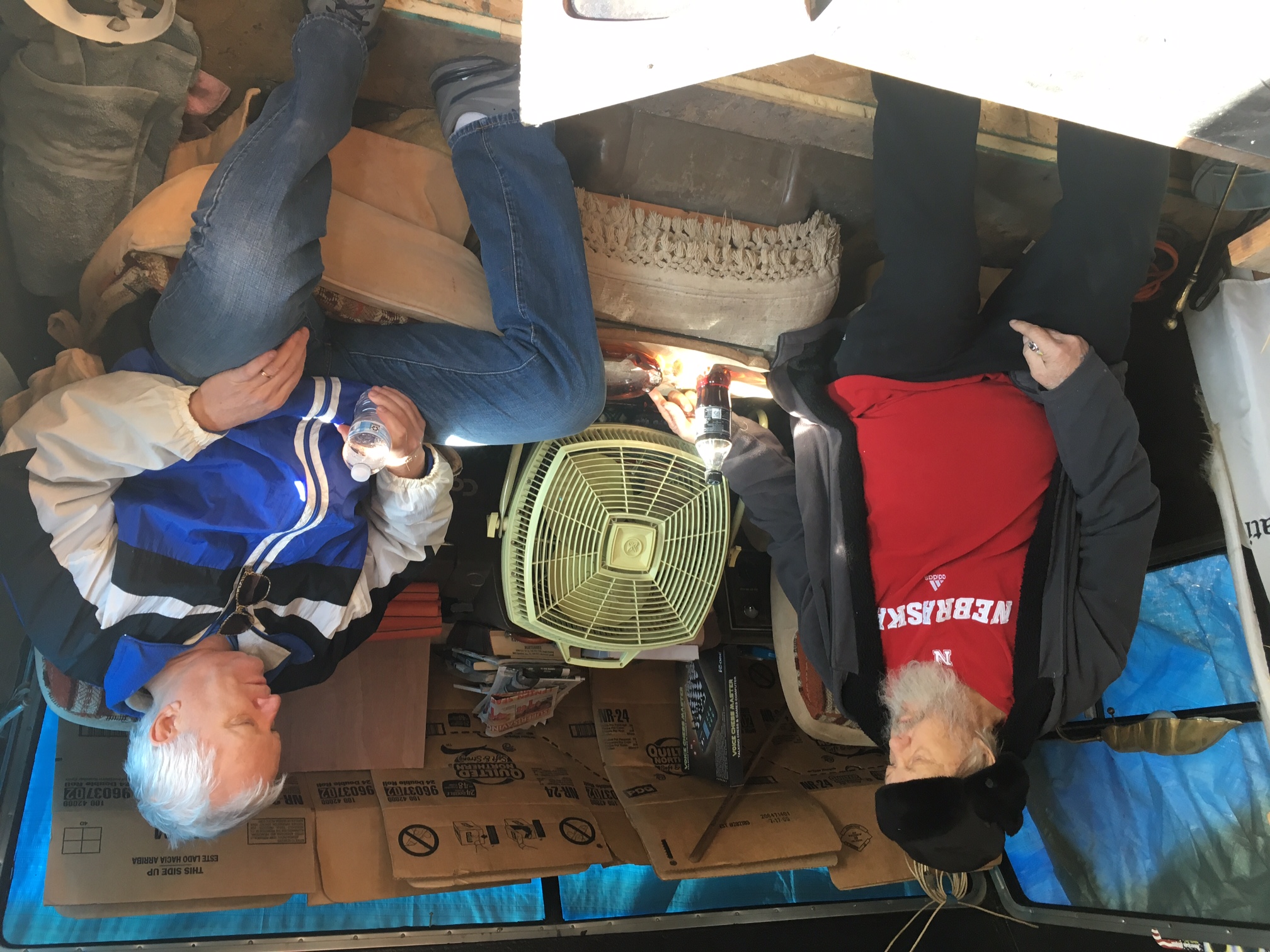
Finding partners
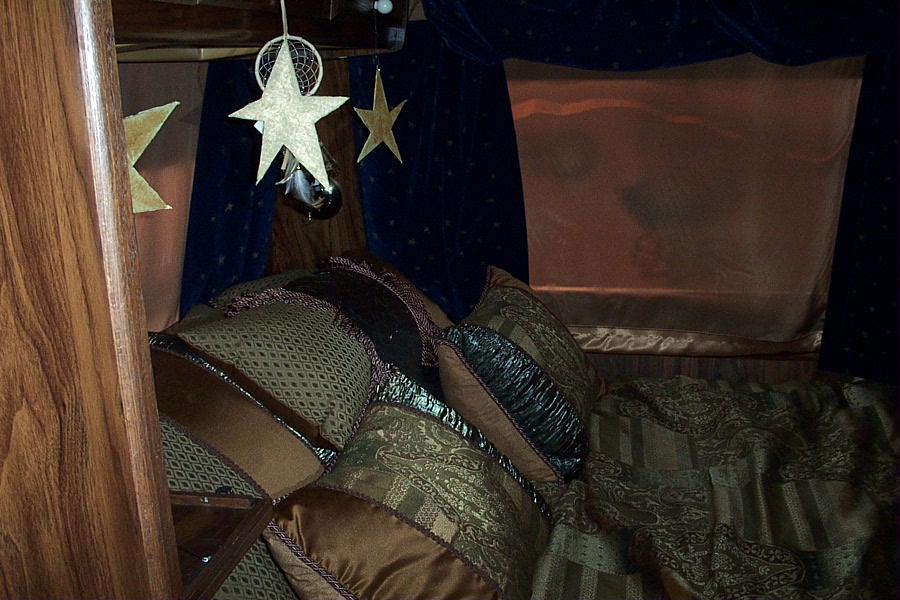
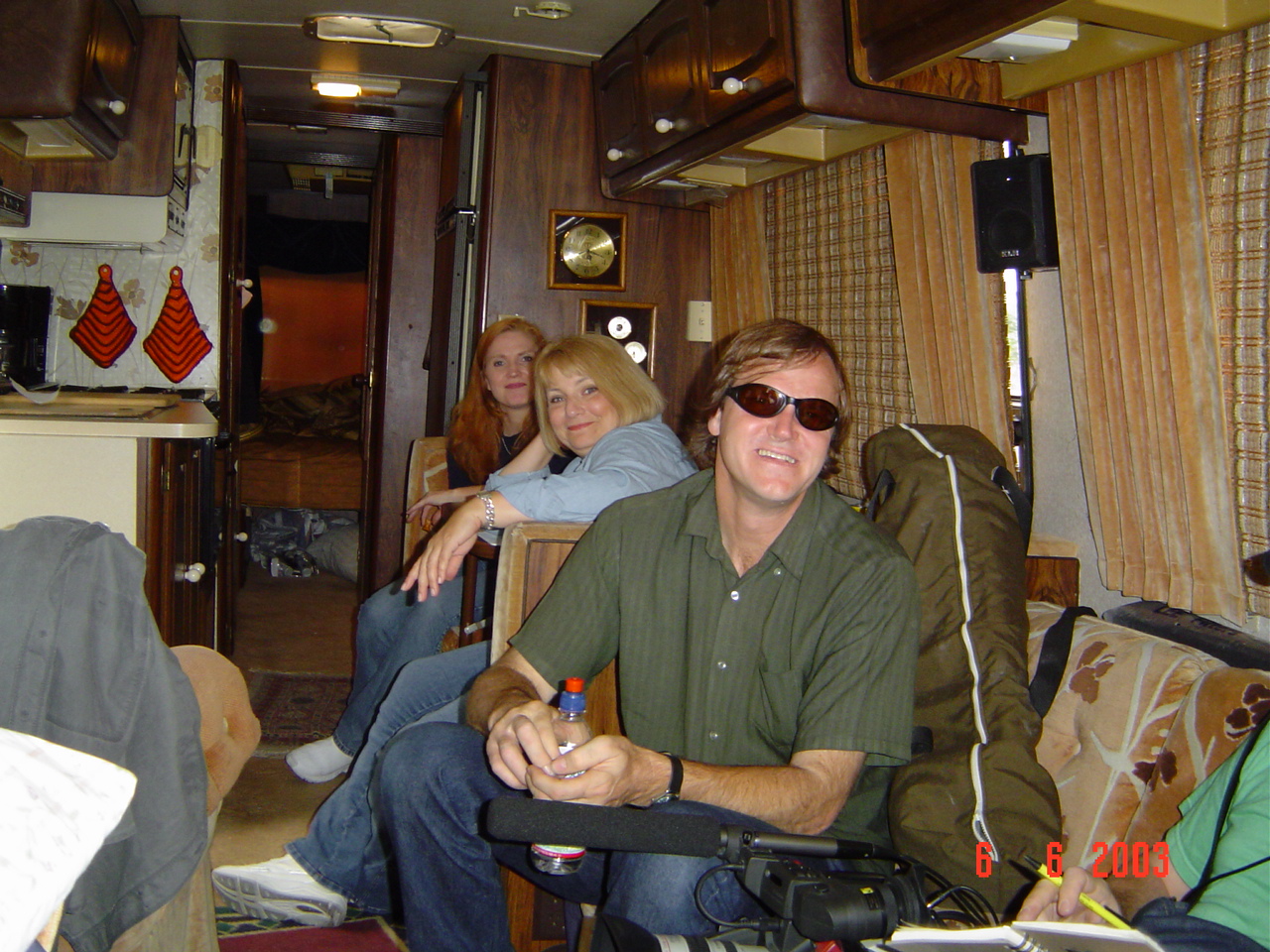
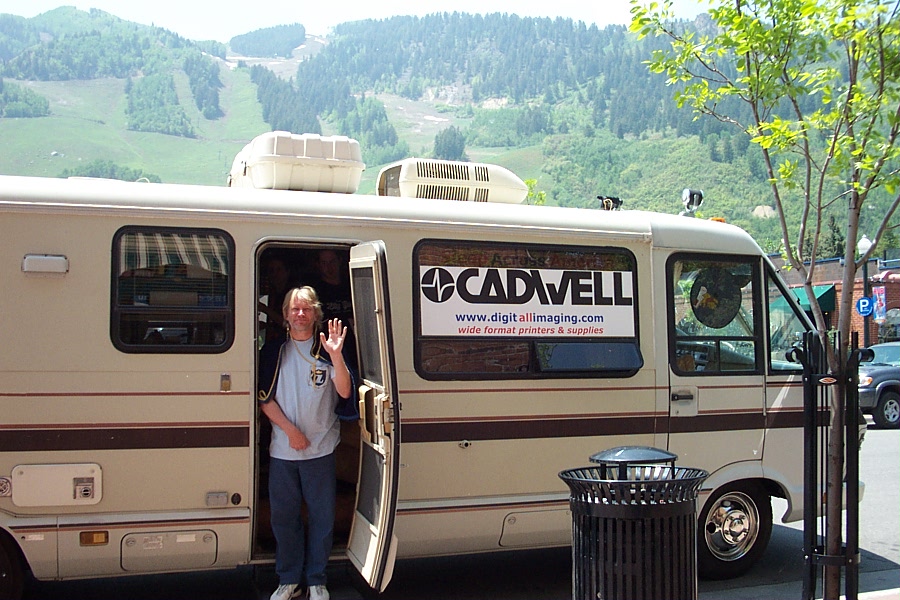
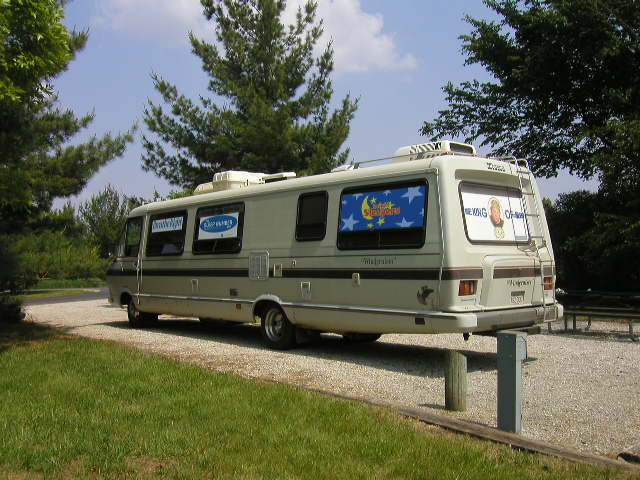
The idea required more than a bed and a driver. Wilson needed a vehicle, a crew, sleep-monitoring equipment and companies willing to support an unconventional campaign. He recruited Select Comfort, Howard Leight and Breathe Right. Cadwell supplied sleep-monitoring equipment, according to Wilson. The motorhome became the Sleepmobile, with sponsor signage on its windows and a specially prepared sleeping area.
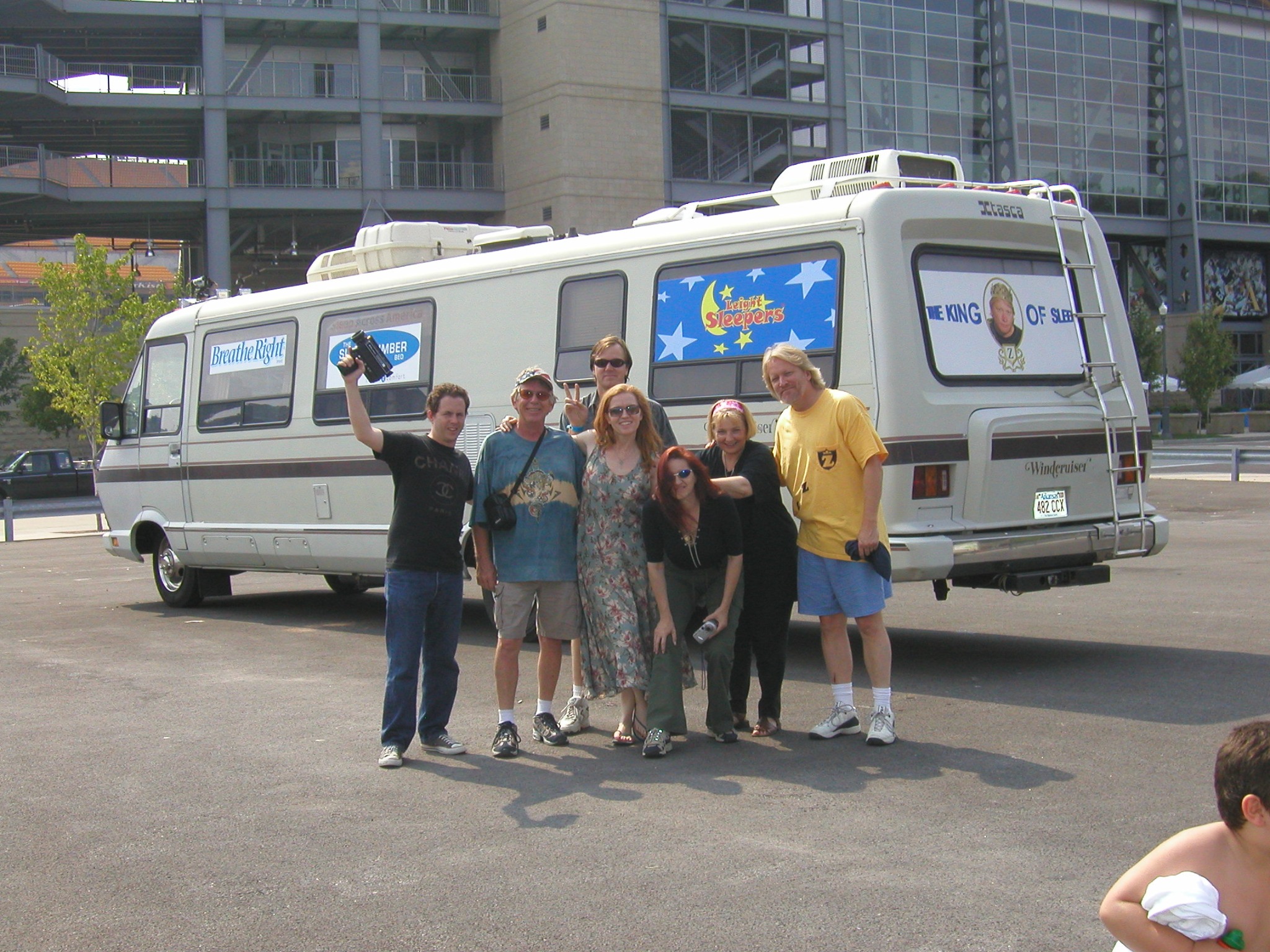
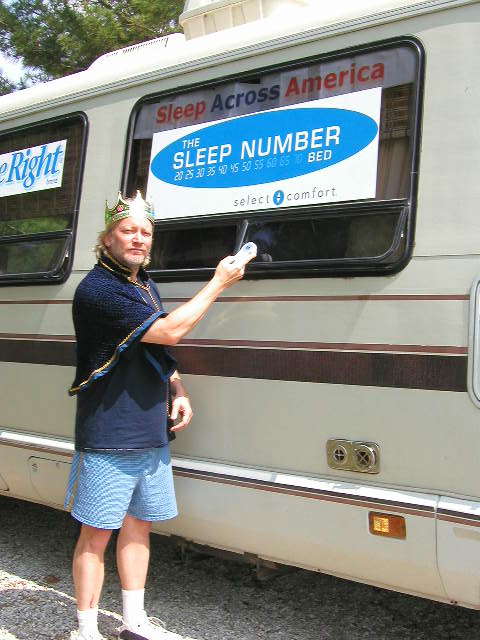
Wilson recalls that Adele brought him word of a pharmaceutical company's interest in discussing sponsorship. He declined to pursue the conversation. He wanted the campaign to promote awareness of sleep rather than become a vehicle for advertising sleeping pills. The potential financial opportunity was less important to him than maintaining that distinction.
The rules of the road
Unlike a conventional road trip, this one depended on the passenger falling asleep before the driver could proceed. Wilson recalls that the crew connected the sleep monitor at the end of the day and set out once he was asleep. When he woke, the day's publicity and filming could begin.
Before the expedition, Sleep Review reported on the proposed June departure and plans for appearances at media outlets and sleep-related institutions. The magazine also noted the planned visit to the Associated Professional Sleep Societies meeting in Chicago. The project was thus presented to the sleep industry as an awareness campaign as well as an unusual journey.
Becoming the King of Sleep
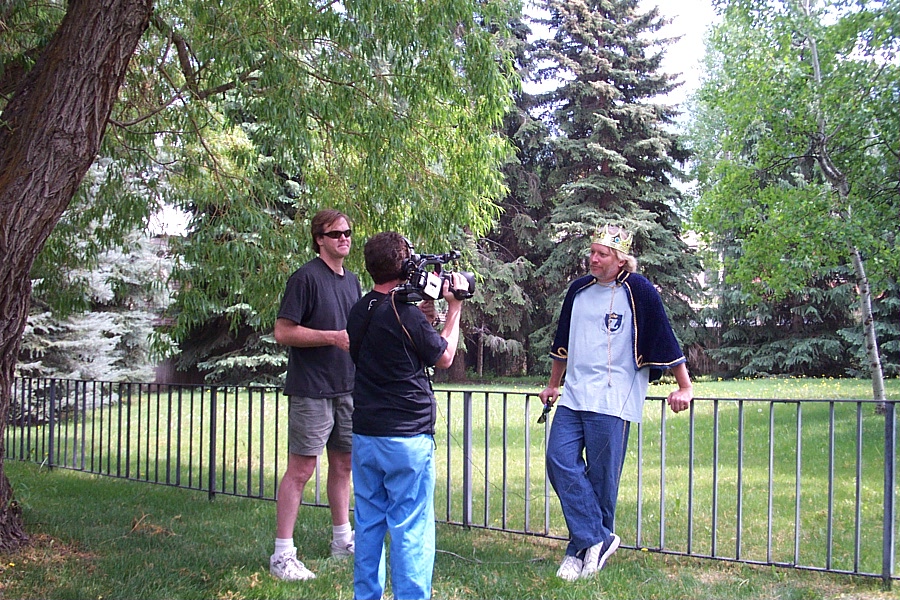
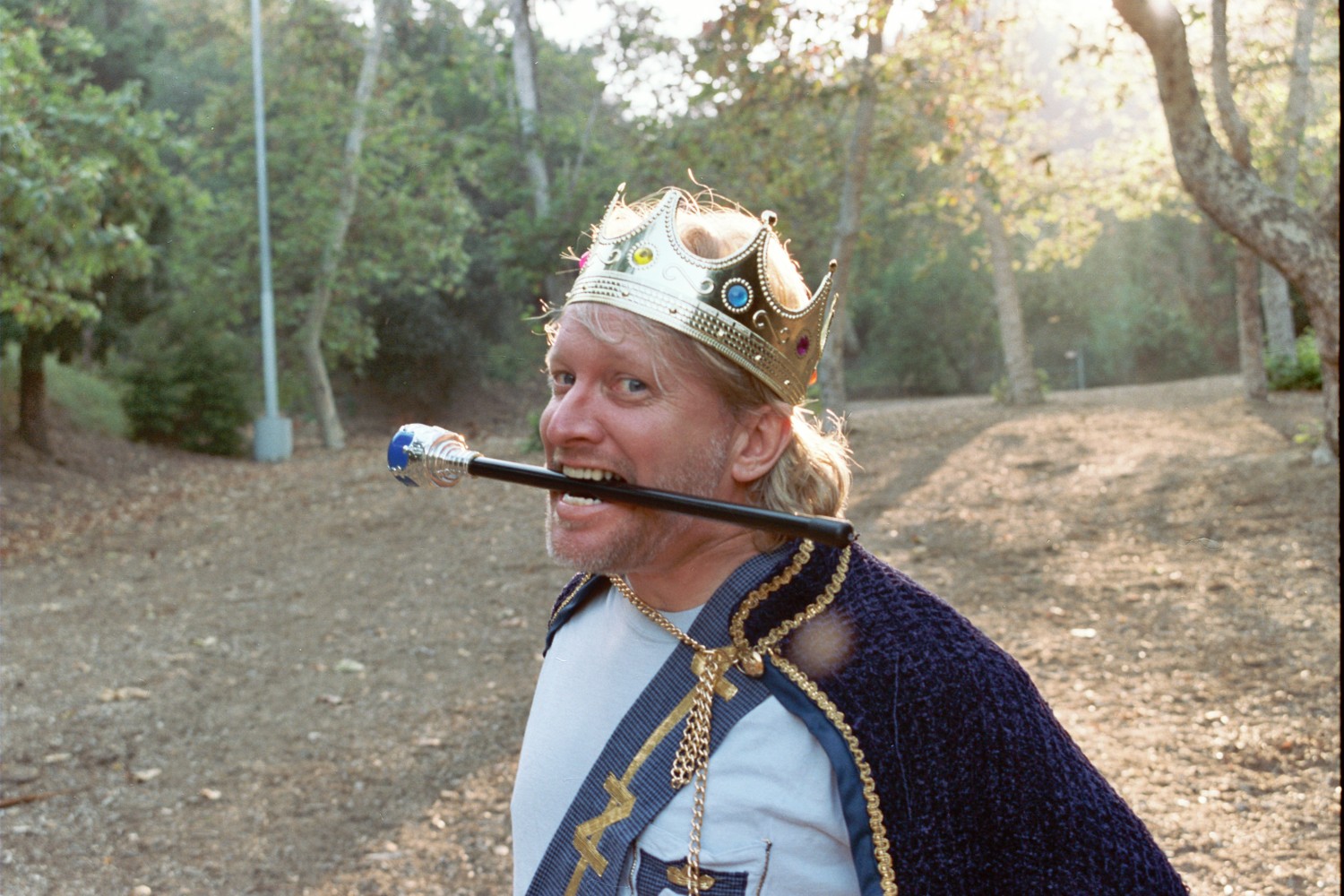
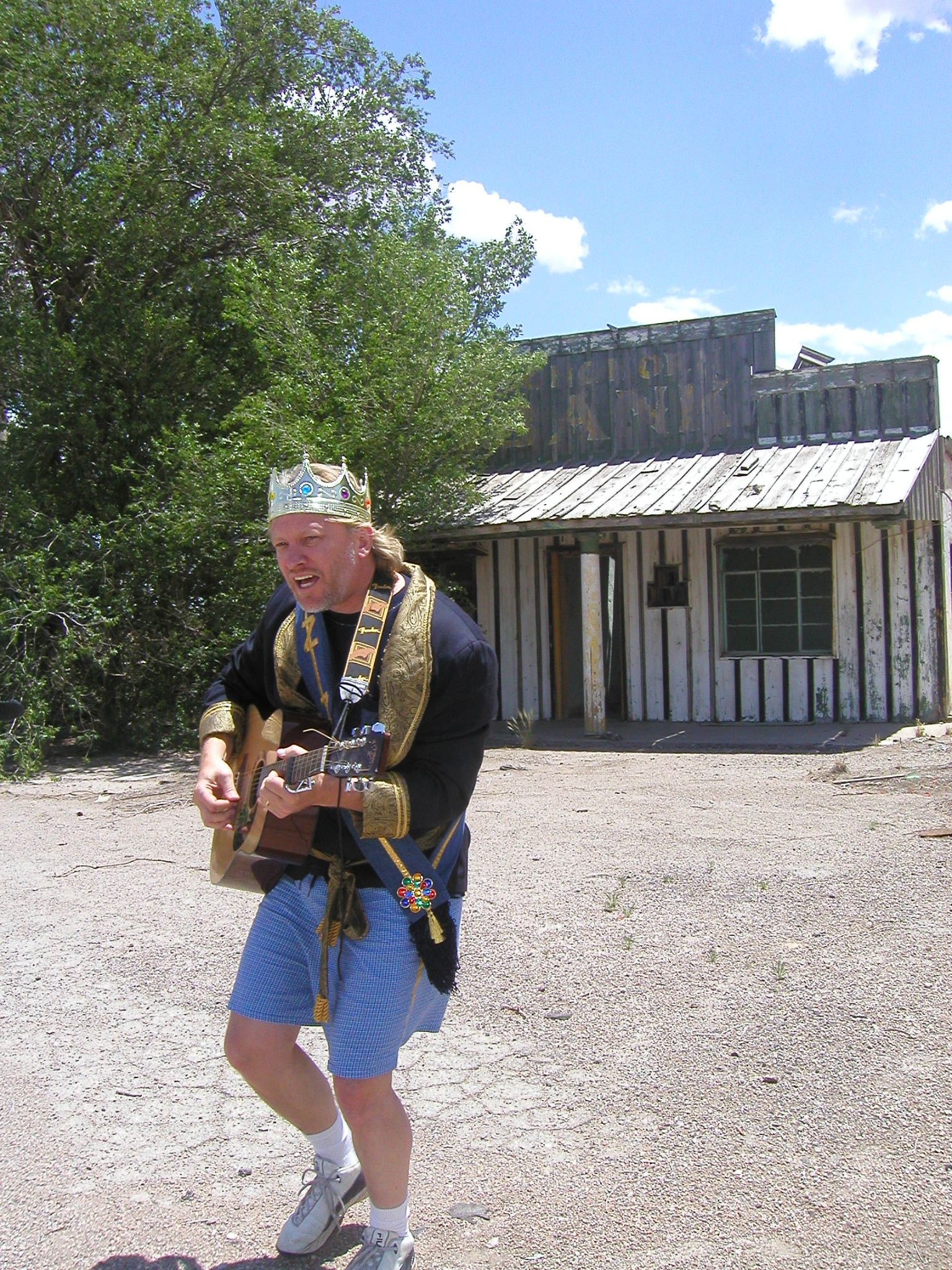
The campaign had its own character: a king equipped with a jeweled crown, cape and scepter. It gave television interviews and public appearances a readily recognizable visual hook. But the costume also made Wilson the center of attention in a way that, he recalls, was not always comfortable.
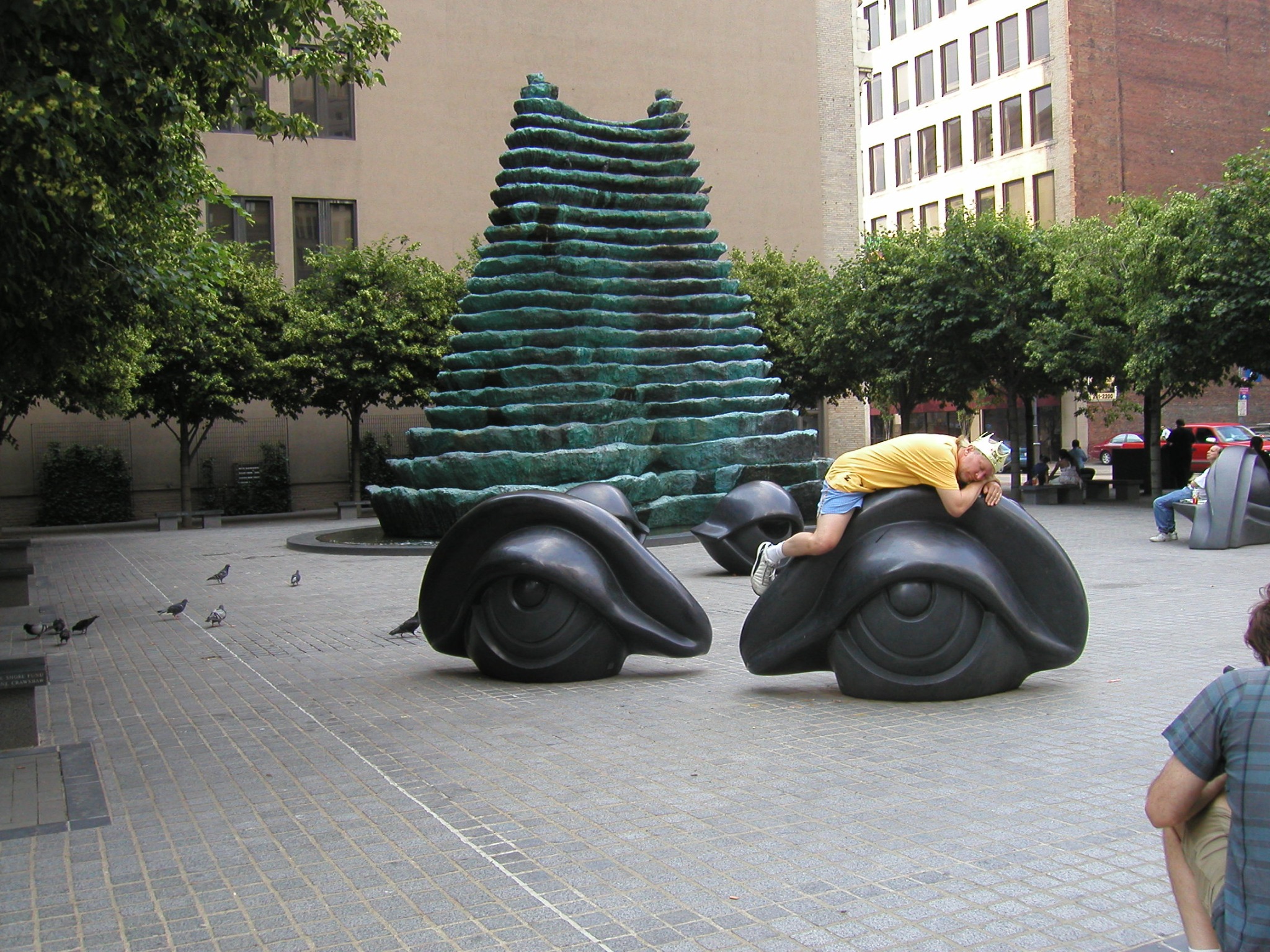
His recollection of the journey begins in Malibu and ends at Coney Island. Along the way he remembers appearing on morning television in Des Moines, visiting the sleep convention in Chicago and appearing at an autism-awareness festival at Heinz Field in Pittsburgh. At Coney Island, he recalls waking up to give an interview for Canadian radio.
The film that followed
The journey was completed, but converting it into a feature film presented a different creative problem. In August 2003, IndieWire reported that the crew had gathered fifteen hours of footage and that Nobody Productions planned a feature combining documentary and fictional elements. A later profile in The Independent Film & Video Monthly described the documentary as being in post-production.
Looking back, Wilson recognized the difficulty of building a compelling film around a man sleeping. The road trip had a clear objective and a memorable public identity; the footage still needed a story. The surviving promotional video offers a glimpse of the enterprise without suggesting that the proposed feature received a completed release.
Original promotional video
Watch the original 2003 promotional video on YouTube
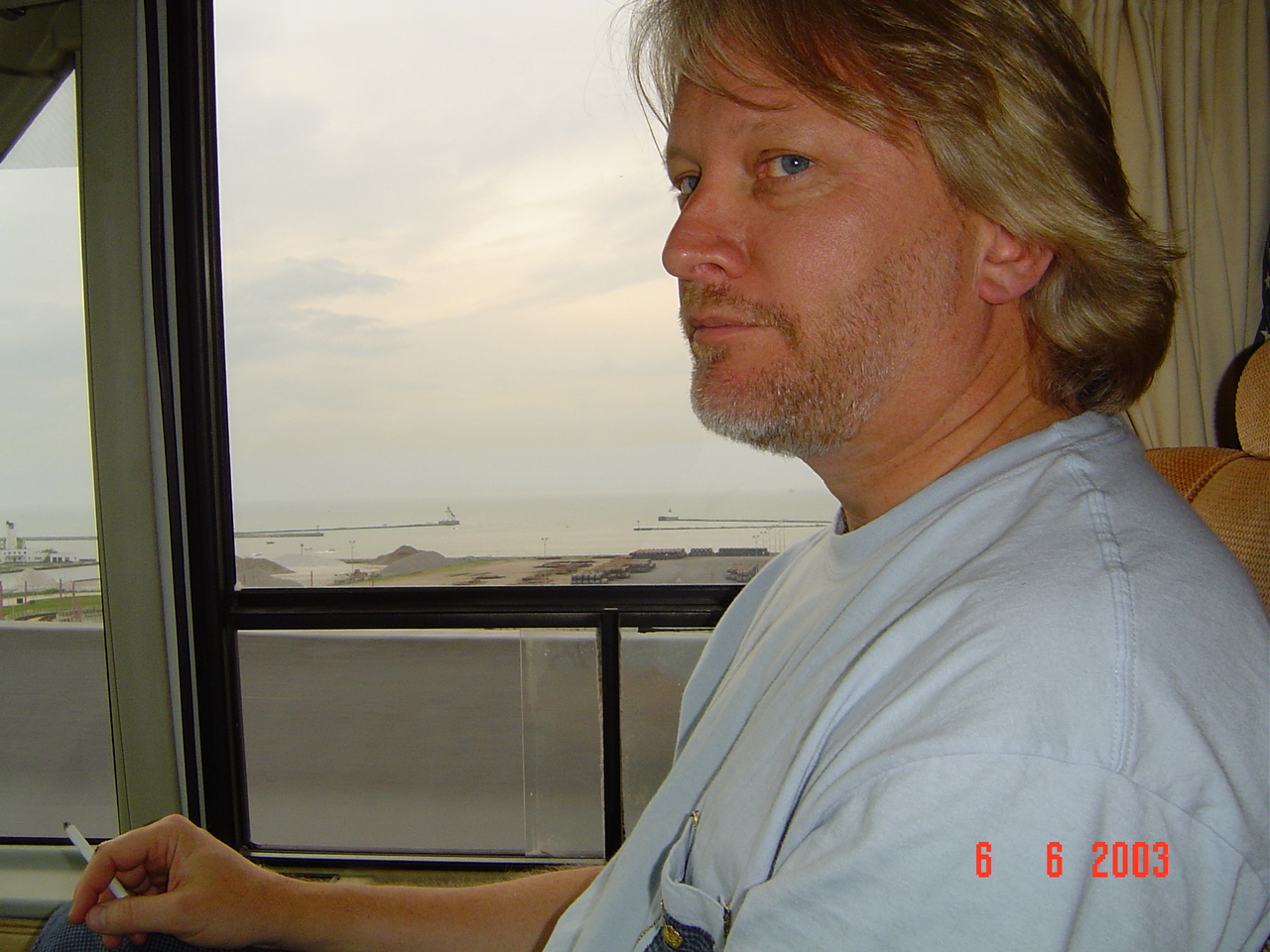
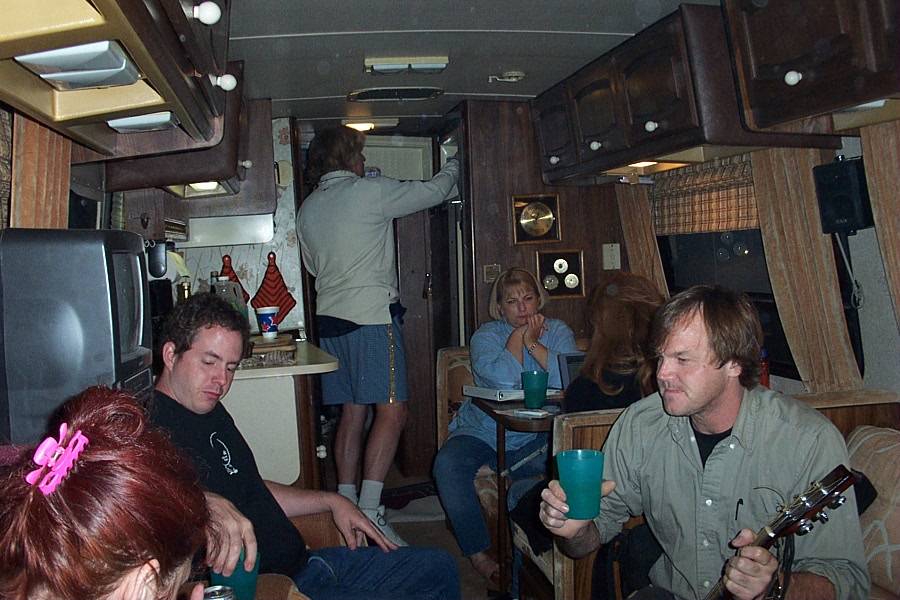
Photographs from the expedition
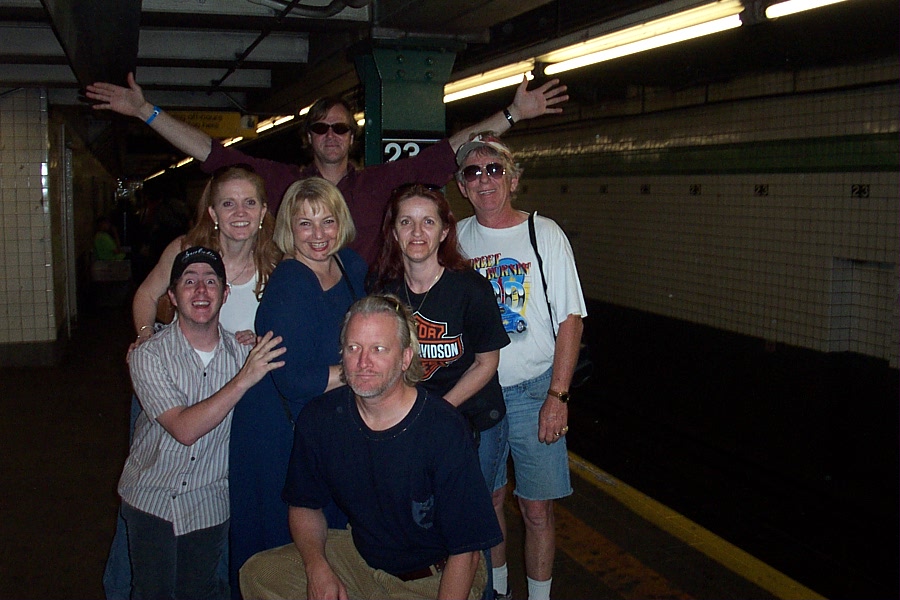
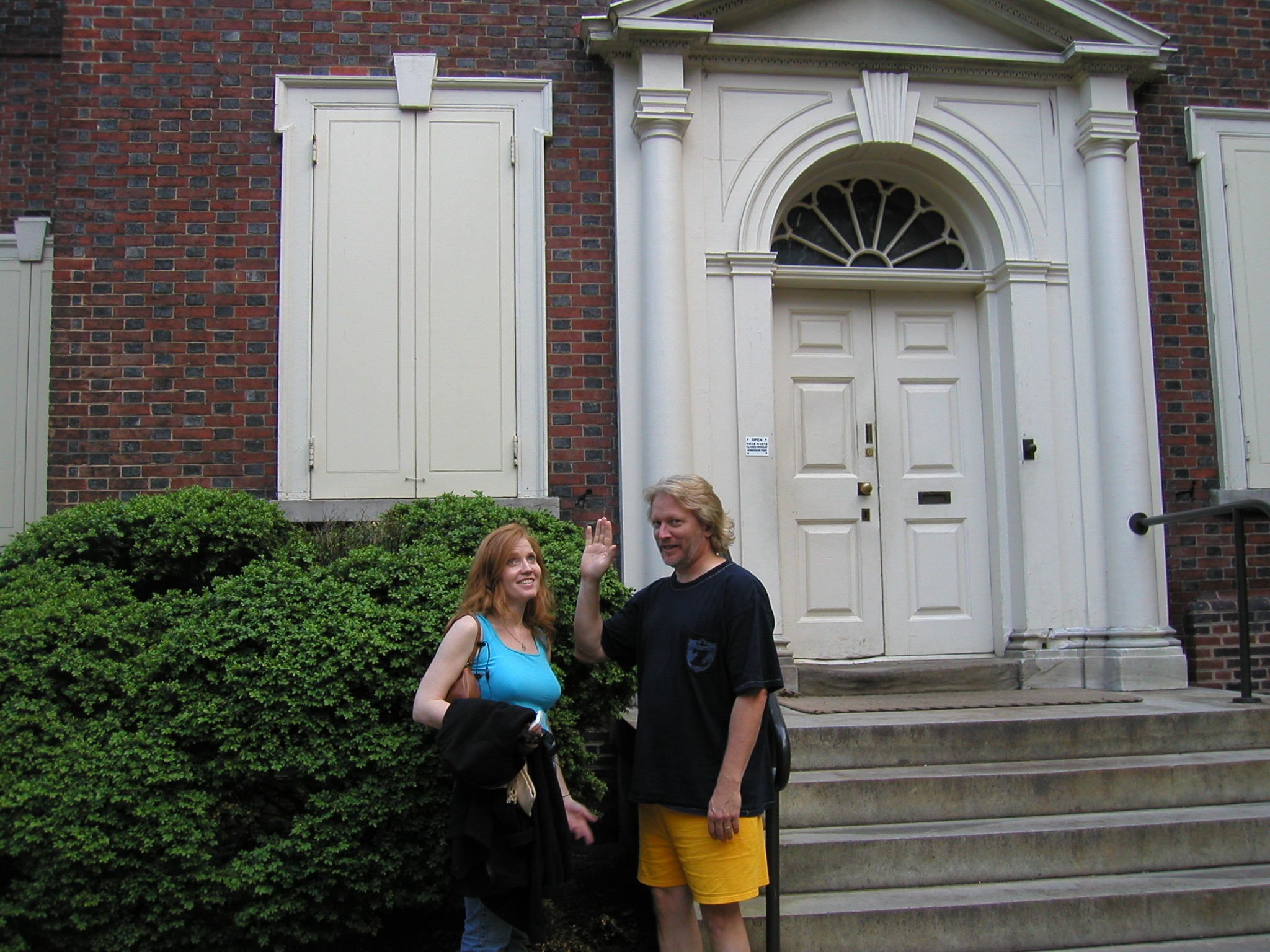
Select any photograph to open a larger version.

Contemporary coverage
- Sleep Review — Man To Sleep Across America, March 9, 2003.
- IndieWire — Sleeping Pattern, August 1, 2003, Wendy Mitchell and Eugene Hernandez. Preserved in the personal press archive; original online article not yet located.
- The Independent Film & Video Monthly — profile of Tom Wilson discussing Sleep Across America.
Go to page 46.